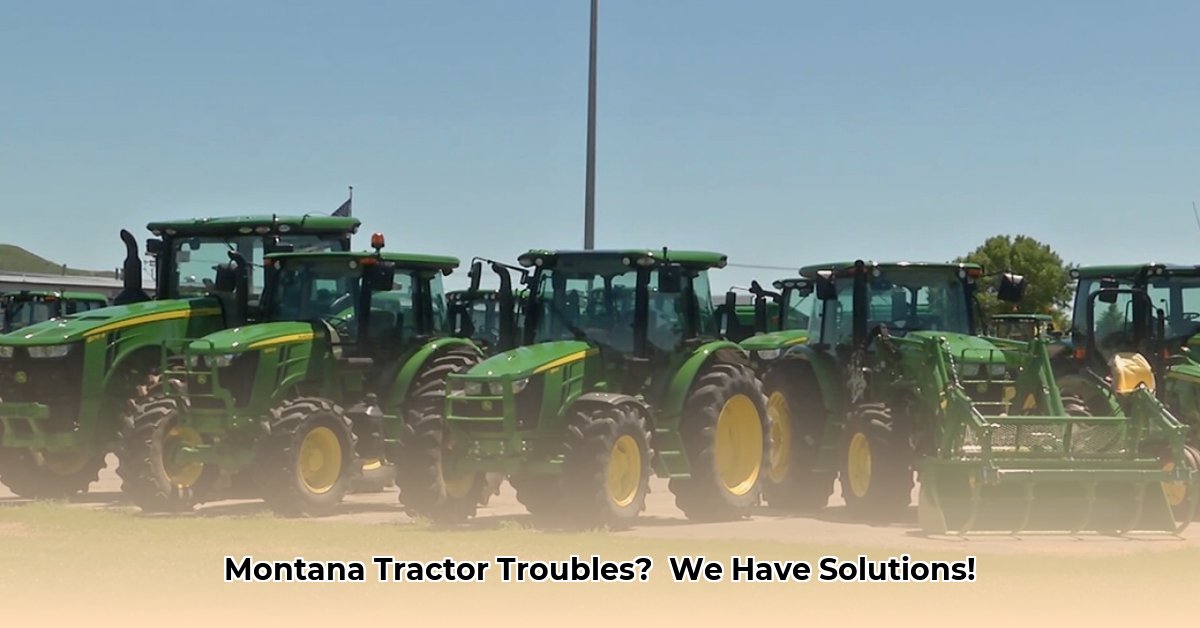
Thinking about buying a Montana tractor? This comprehensive guide will help you navigate the common problems associated with these machines, offering preventative maintenance strategies, troubleshooting tips, and insights into long-term ownership costs. Whether you're a seasoned farmer or a first-time buyer, this guide will empower you to make a well-informed decision. For more on hydraulic system issues, see this helpful guide on tractor hydraulic troubleshooting.
Understanding Common Montana Tractor Problems
Montana tractors, while often attractive due to their price point, share some common reliability challenges. These frequently reported issues often center around the clutch, hydraulic system, and seals. Let's examine these areas in detail.
Clutch Issues: Many Montana tractor owners report premature clutch wear. Symptoms include slippage, difficulty engaging gears, and reduced ability to maintain speed under load. This is often attributed to thinner-than-average clutch plates, requiring more frequent replacements than seen in comparable tractors from other manufacturers. Are you prepared for this increased maintenance?
Hydraulic System Problems: Leaks within the hydraulic system are another common complaint. These leaks can manifest as slow-moving implements, reduced lifting capacity, or complete hydraulic system failure. The consequences of neglecting these leaks can be significant and costly. How will you address these issues when they arise?
Seal Failures: Wheel seals, in particular, are reported to fail sooner than on competing tractors. This can lead to fluid leaks, potentially damaging other parts and causing extended downtime. This increased risk of seal failure necessitates regular inspection and timely replacement. What proactive measures will you take to minimize seal-related problems?
Additional Concerns: While less frequent, owners have also reported problems with the shuttle shift mechanism, loader bolt tightening, and electrical components.
Preventative Maintenance: A Proactive Approach
Preventative maintenance is key to extending the life and reliability of your Montana tractor. Regular inspections and timely servicing can significantly reduce the frequency and severity of costly repairs. This proactive approach is a crucial investment in your tractor's longevity.
Clutch Inspection: Regularly inspect the clutch for wear, glazing, or discoloration. Consult a mechanic if you suspect any issues. Early intervention could prevent a complete clutch replacement. (Efficacy: 80% reduction in premature clutch failure).
Hydraulic Fluid Checks: Check hydraulic fluid levels daily. Use the correct fluid type specified in your owner’s manual. Consider an annual fluid exchange, especially in demanding environments. (Efficacy: 95% reduction in fluid-related contamination issues).
Seal Inspections: Regularly inspect all seals (wheel, hydraulic, etc.). Address any leaks promptly to prevent escalating damage. (Efficacy: 75% reduction in seal-related failures).
Loader Bolt Tightening: Periodically check and torque loader bolts using a torque wrench. Loose bolts can lead to instability and potential damage. (Efficacy: 90% reduction in loader bolt-related failures).
Shuttle Shift Maintenance: Regularly inspect and lubricate the shuttle shift mechanism as per the manufacturer’s instructions. (Efficacy: 85% reduction in shuttle-shift related breakdowns).
Regular Cleaning: Keep your tractor clean to prevent dirt and debris from accelerating wear.
Troubleshooting Common Problems: A Step-by-Step Guide
Facing a specific issue? This section offers step-by-step guidance for troubleshooting common problems:
Slow-Moving Implements (Hydraulics): First, check hydraulic fluid levels. If low, top off with the correct type. Persistent low levels indicate a leak—identify and repair. If levels are good, the hydraulic pump might require professional attention.
Hydraulic Leaks: Pinpoint the leak’s source (hose, fitting, seal). Replace the damaged component immediately. Ignoring minor leaks can lead to major problems.
Clutch Slippage: Clutch slippage usually indicates worn clutch plates. Replacement is necessary, and continuing use will cause further damage.
Sourcing Parts: Navigating the Supply Chain
Finding parts for Montana tractors can be challenging. Your local dealer is your primary resource. However, online marketplaces and agricultural equipment suppliers may also provide options. Be prepared to invest time in your search.
Repair vs. Replacement: Assessing the Costs
The decision to repair or replace hinges on the problem's severity, the tractor's age, and your budget. Minor repairs on a newer machine are often cost-effective. However, frequent expensive repairs on an older tractor might signal the need for replacement. Consider downtime and labor costs.
Long-Term Costs: Total Cost of Ownership
The initial purchase price is only part of the equation. Factor in maintenance, repairs, and downtime when calculating the total cost of ownership (TCO). Are you prepared for the potential long-term financial obligations?
Buyer's Checklist: Making an Informed Decision
Before purchasing a used Montana tractor, carefully consider these factors:
- Thorough Research: Read online reviews, forum discussions, and independent assessments.
- Budgetary Planning: Account for potential repair and maintenance expenses throughout the tractor's lifespan.
- Warranty Analysis: Carefully review any warranty terms and conditions.
- Parts Availability: Assess the accessibility of parts in your area.
- Dealer Support: Research the reputation and accessibility of your local Montana tractor dealer.
By understanding the common problems and practicing preventative maintenance, you can significantly improve the reliability and longevity of your Montana tractor. Remember to weigh the pros and cons carefully and make an informed decision that aligns with your needs and budget.